Guides / International pet travel
Taking your dog to Mexico in 2026: the screwworm certificate
Since August 3, 2026, a dog arriving in Mexico from the United States needs a New World screwworm inspection certificate issued no more than 5 days before it arrives. Who needs it, who signs it, and why Canadians driving down should plan for it too.
International pet travel · Published · Last checked
WayFur answer
Since August 3, 2026, a dog travelling to Mexico from the United States needs a New World screwworm inspection certificate, signed by a USDA-accredited veterinarian and issued no more than 5 days before the dog arrives. APHIS and SENASICA describe the rule for dogs coming from the United States and list no exemption based on where the dog lives, and SENASICA exempts cats. A dog driven down from Canada crosses the US on the way, so plan for the certificate too. Coming back into the US is a separate USDA rule, with its own screwworm certificate from a vet in Mexico.
Who needs the screwworm certificate for Mexico
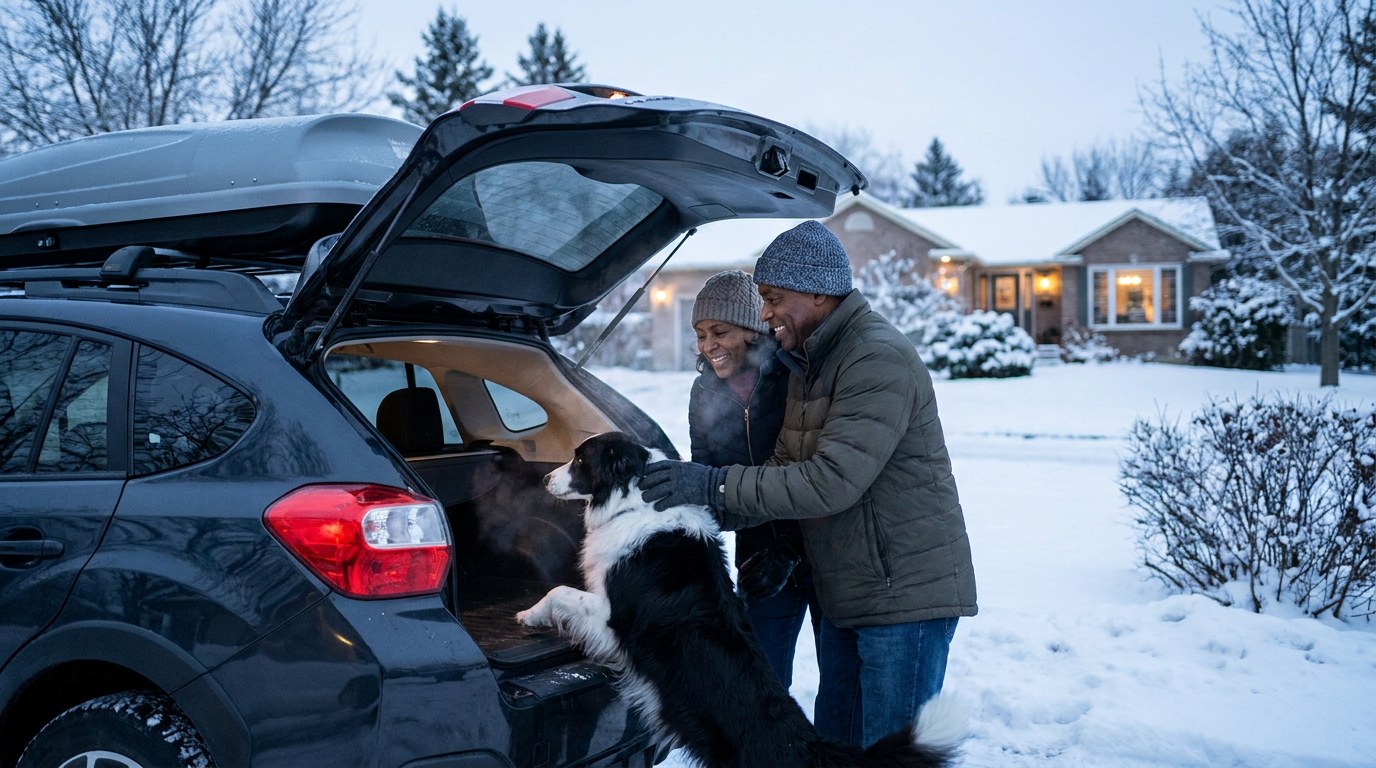
Say you and your partner live in Calgary and have decided to spend February in San Miguel de Allende with your four-year-old border collie. You plan to drive, and the slow trip south sounds like the best part.
According to USDA APHIS, "Effective August 3, 2026, Mexico requires NWS inspection documents for the travel of pet dogs and pet birds" coming from the United States. The document is the NWS Inspection Certificate for Pet Dogs Moving (Exporting) From the United States to Mexico. A USDA-accredited veterinarian signs it no more than 5 days before your dog arrives, and it needs no APHIS endorsement.
At the border, an official at the Agricultural and Livestock Health Inspection Office (OISA) checks your dog for signs of infectious disease, for ticks and other external parasites, and for fresh wounds or wounds that are still healing, because wounds are where the screwworm parasite enters. APHIS is plain about the consequence: "Any improper or missing NWS inspection documentation could result in the pet dog or bird being denied entry or held at the border."
Easy to miss
A dog that lives in Mexico and is going home after time in the US is still a dog arriving from the US. Neither APHIS nor SENASICA, Mexico's animal health agency, lists any exemption based on where the dog lives or the owner's nationality. The only animals SENASICA exempts from the screwworm document are cats.
Screwworm paperwork for a dog on a Mexico trip, by direction
| Leg | What your dog needs | Who signs | Timing |
|---|---|---|---|
| United States to Mexico | NWS Inspection Certificate for Pet Dogs Moving (Exporting) From the United States to Mexico | A USDA-accredited vet in the US (no APHIS endorsement) | Issued no more than 5 days before arrival in Mexico |
| Canada to Mexico, direct flight | No health certificate or vaccination card | Not applicable | Not applicable |
| Canada to Mexico by car | Plan for the US to Mexico certificate above, because your dog arrives from the US | A USDA-accredited vet in the US | No more than 5 days before you cross into Mexico |
| Mexico to the United States | Screwworm-freedom certification | A clinical vet in Mexico authorized to sign for Mexico's official government vet | Inspection within 5 days before leaving for the US |
| Cats into Mexico | No screwworm document and no health certificate | Not applicable | Inspected by SENASICA on arrival |
Where this comes from
Sourced from USDA APHIS, Pet Travel From the United States to Mexico (last updated September 21, 2026), and SENASICA, Si viajas con tu mascota (updated August 4, 2026). Both pages last checked October 6, 2026.
Driving to Mexico from Canada with a dog
Flying straight from Canada to Mexico, your dog is arriving from Canada, and SENASICA asks for no health certificate and no vaccination card. Driving is different. Canada and Mexico do not share a border, so your car crosses the whole of the United States first, and at the Mexican border your dog is arriving from the US.
The published sources describe the requirement as applying to dogs coming from the United States and list no exception for a dog that started its trip in Canada. The readiness check gives drivers on this route a plain instruction: expect the certificate to apply, and arrange it rather than assume it does not.
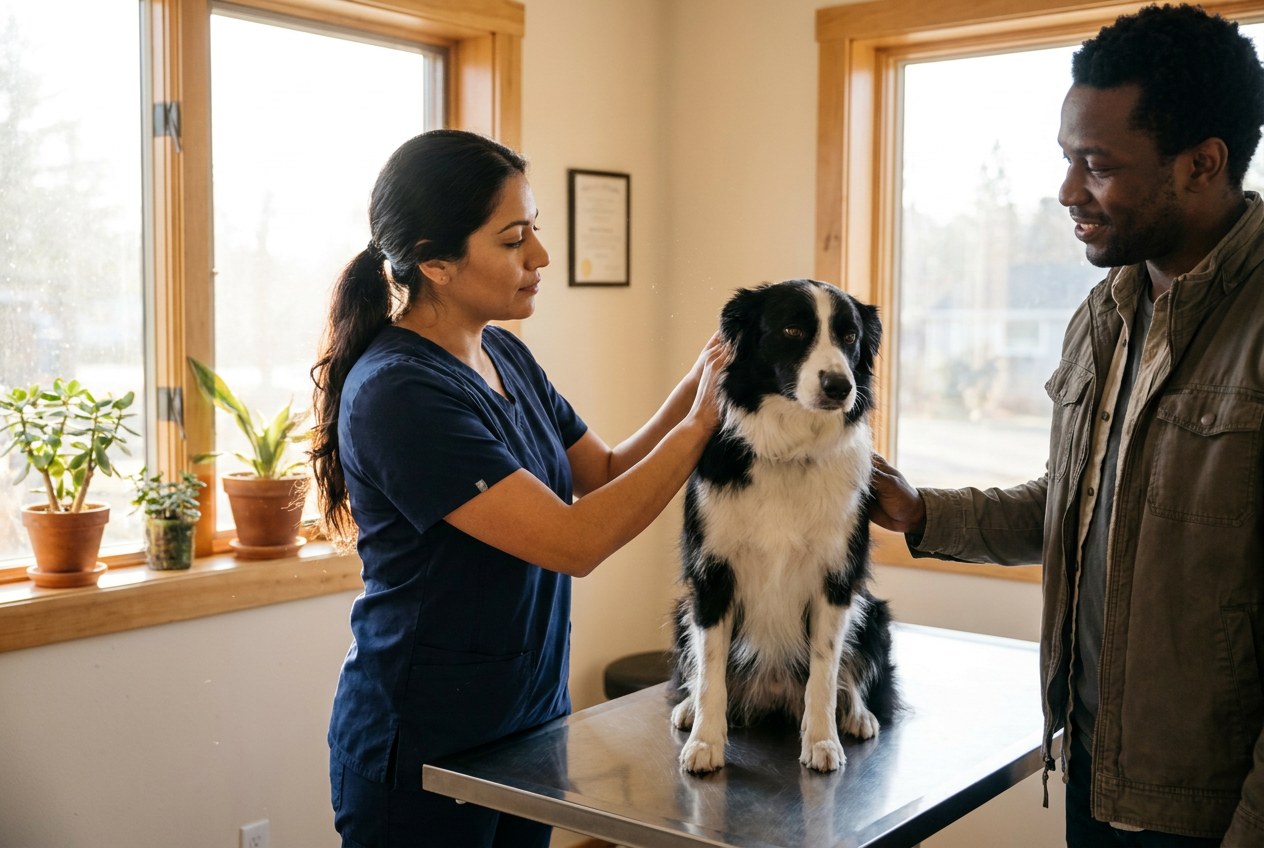
The catch is the 5-day window and the signature. The certificate needs a USDA-accredited vet in the United States, so your regular vet in Calgary cannot sign it, and a certificate dated a week before you leave home would be too old by the time you reach Mexico anyway. The vet visit becomes a stop on the drive itself, alongside the rest stops a long drive needs.
Practical tip
Book a USDA-accredited clinic somewhere in the southern US before you leave home, timed so you cross into Mexico no more than 5 days after the appointment. Leave a spare day around it in case the road slows you down.
Easy to miss
Flying from Canada with a connection through a US airport? The published APHIS and SENASICA pages do not say how Mexico treats it. Ask SENASICA or your airline before you book.
What else Mexico checks at the border
At the OISA office you also ask SENASICA staff for the request form for an import certificate (CZI). Bring your dog in a clean carrier. Bedding, pads, newspaper, sawdust, rags and toys are removed and destroyed, and so are treats made with ruminant ingredients. A collar and leash are fine, and you can bring only the food your dog needs for the day you arrive.
Easy to miss
If staff find ticks on a dog arriving from the US, the dog is held at the office until a lab confirms the ticks are not exotic to Mexico or under a control program, and you pay any costs.
For cats, almost none of this changes. APHIS states that "As of December 16, 2019, pet cats no longer need a health certificate to enter Mexico," and SENASICA inspects cats on arrival.
Planning the way home
In March, the border collie needs to come home, and the return leg has its own screwworm rule, set by the US this time. APHIS has treated Mexico as affected by screwworm since November 22, 2024, and states that "All dogs (including U.S.-origin dogs returning to the United States after traveling to Mexico) must meet APHIS requirements for screwworm-freedom certification upon entry (re-entry)."
That certificate has to state that your dog was inspected for screwworm within 5 days before leaving for the US. For dogs coming from Mexico, it can be signed by a clinical veterinarian trained and authorized to sign on behalf of Mexico's official government veterinarian, listed in the MVRA directory of veterinary clinics and hospitals that APHIS links to. Your vet at home cannot issue it, so find an authorized clinic near the end of your stay.
Your dog also needs a CDC Dog Import Form receipt to enter the US. The one you used on the way down lists Canada as the country of departure, so you need a new one listing Mexico. Once you are back in Canada, the CFIA asks for a valid rabies vaccination certificate for a dog 3 months or older.
Where this comes from
The return rule is sourced from USDA APHIS, Bring a Pet Dog into the United States, and the US to Mexico page above. The CDC receipt rule is from CDC, Entry Requirements for Dogs from Dog-Rabies Free or Low-Risk Countries. As of its September 19, 2026 update, CFIA's screwworm import restrictions list livestock species, not dogs or cats. All checked October 6, 2026. Confirm the CFIA position before you travel.
Enter your route, travel date and pet, and a free readiness check shows Mexico's entry rules for your dog or cat, including the screwworm certificate when your dog is arriving from the US, each with its source and the date it was last checked.
Sources
- USDA APHIS: Pet Travel From the United States to Mexico
- SENASICA: Si viajas con tu mascota
- USDA APHIS: Bring a Pet Dog into the United States
- CDC: Entry Requirements for Dogs from Dog-Rabies Free or Low-Risk Countries
- CDC: Bringing a Dog into the United States
- CDC: High-Risk Countries for Dog Rabies
- CFIA: Importing and travelling with pets
- CFIA: Screwworm import restrictions
Common questions
What documents do I need to take my dog to Mexico?
It depends on where your dog is arriving from. From the United States, since August 3, 2026, your dog needs a New World screwworm inspection certificate signed by a USDA-accredited vet and issued no more than 5 days before arrival, and without it your dog can be denied entry or held at the border. Arriving straight from Canada, SENASICA asks for no health certificate or vaccination card. Either way, you ask SENASICA staff for the import certificate (CZI) request form and an official inspects your dog. Confirm the current rule with APHIS or SENASICA before you travel.
What are the requirements for bringing a dog to Mexico from Canada?
On a direct flight, Mexico asks for no health certificate or vaccination card for a dog arriving from Canada. By car, plan as though the screwworm certificate applies: your dog reaches Mexico from the United States, and the published rule names no exception for dogs that started in Canada. The certificate has to come from a USDA-accredited vet in the US within 5 days of crossing, so book that visit into the drive.
What do I need for taking my dog to Mexico and back?
The way back into the US needs its own screwworm-freedom certification, signed by an authorized vet in Mexico after an inspection within 5 days before your dog leaves, plus a new CDC Dog Import Form receipt listing Mexico as the country of departure. If you live in Canada, Canada asks for a valid rabies certificate for a dog 3 months or older when you get home.