Guides / Border rules & documentation
Bringing your dog back from Mexico in 2026: the certificate you get there
Every dog entering the US from Mexico, US dogs included, needs screwworm-freedom certification from a vet in Mexico after an inspection within 5 days of leaving, plus a CDC Dog Import Form receipt. How to plan it into the trip.
Border rules & documentation · Published · Last checked
WayFur answer
To bring a dog into the United States from Mexico, including a US dog coming home, you need screwworm-freedom certification stating the dog was inspected within 5 days before leaving Mexico, plus a CDC Dog Import Form receipt listing Mexico. The certificate comes from a vet in Mexico who is authorized to sign it, so you arrange it during the trip, not before. APHIS's screwworm-freedom requirement names dogs, and its page for pet cats entering the US lists no screwworm certificate.
Why the return trip is the harder half
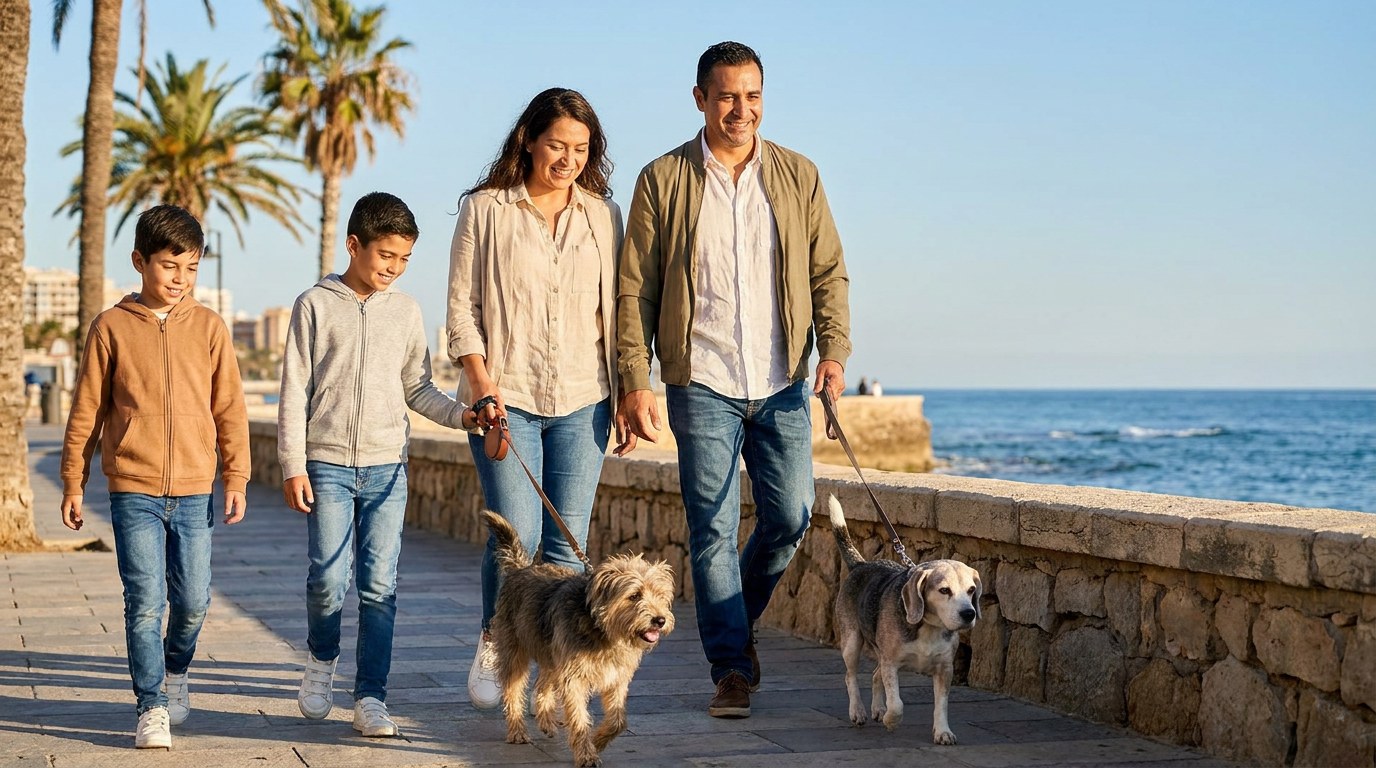
Say you live in San Diego and are spending Christmas week in Ensenada with your two dogs, a terrier mix and an older beagle, and your cat. Getting there takes planning, since Mexico now wants a screwworm inspection certificate from a USDA-accredited vet in the US, issued no more than 5 days before you arrive. Our guide to taking your dog to Mexico covers that leg.
Coming home is the half people forget, because the rule sits on the US side and has nothing to do with the paperwork you brought down. According to USDA APHIS, "As of November 22, 2024, Mexico is considered to be affected with screwworm," and "All dogs (including U.S.-origin dogs returning to the United States after traveling to Mexico) must meet APHIS requirements for screwworm-freedom certification upon entry (re-entry)."
Easy to miss
Being a US dog does not help, and neither does a short trip. The certificate from your vet in San Diego was written for Mexico's border. It does not count for the way back.
The two screwworm certificates on a Mexico round trip
| Leg | Required by | Who signs | Timing | Where you get it |
|---|---|---|---|---|
| United States to Mexico | Mexico (since August 3, 2026) | A USDA-accredited vet in the US | Issued no more than 5 days before arrival in Mexico | Before you cross, in the US |
| Mexico to the United States | USDA APHIS (Mexico treated as affected since November 22, 2024) | A clinical vet in Mexico authorized to sign for the official government vet | Inspection within 5 days before leaving for the US | During your stay, in Mexico |
What the screwworm certificate for the US has to say
APHIS sets out the content on its page for bringing a pet dog into the United States. The certificate must state that the dog "has been inspected for screwworm within 5 days before shipment to the United States," and that it is either free from screwworm or was infested, held in quarantine and treated until free.
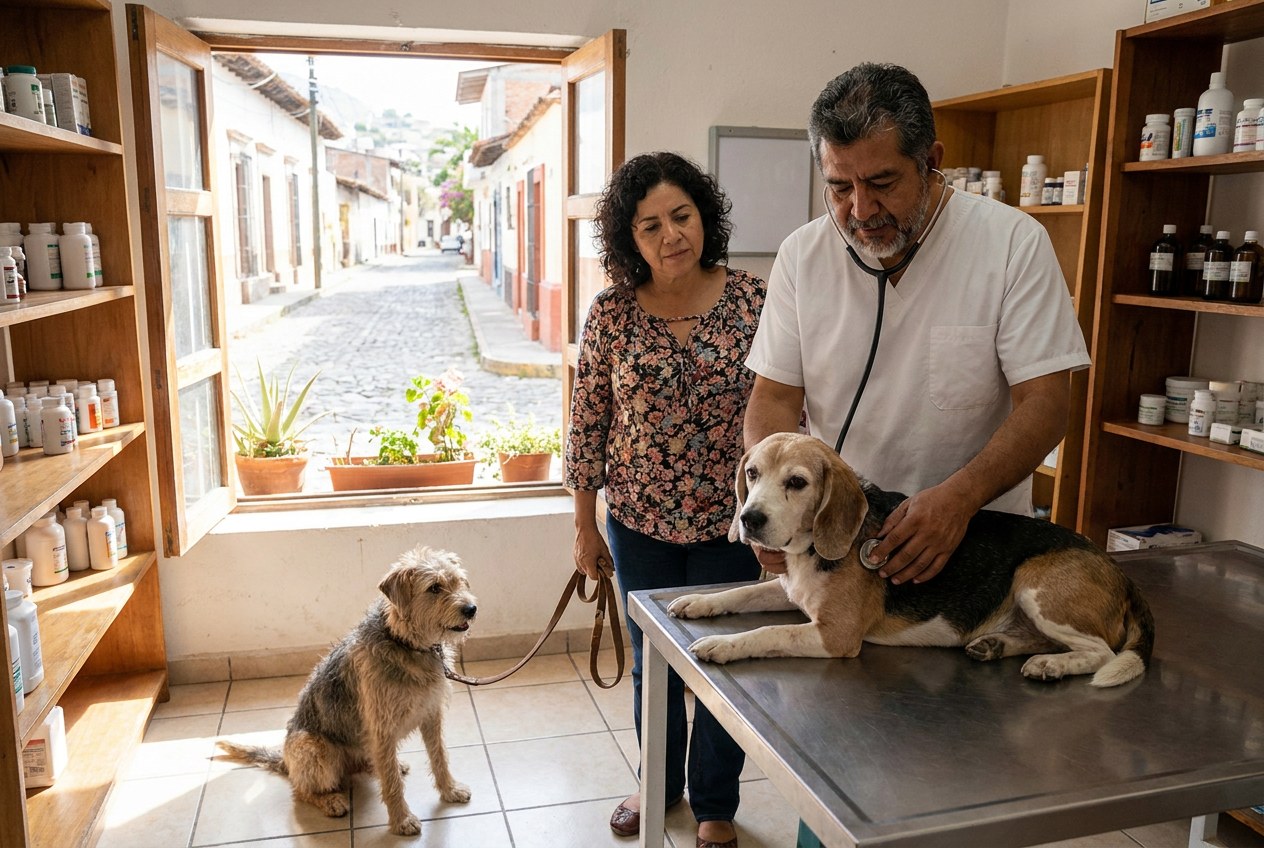
Normally this has to be signed by an official government veterinarian of the country the dog is leaving. Mexico has an exception: "For dogs traveling to the United States from Mexico, the required screwworm freedom certification may be issued by a clinical veterinarian trained and authorized to sign on behalf of the official government veterinarian." APHIS links to the list of those vets, the Directorio de MVRA en Clínicas y Hospitales Veterinarios.
There is no official form. "APHIS Veterinary Services does not have a required template or form for screwworm freedom certification," so the vet can write it as a standalone document or include it in an export health certificate.
Where this comes from
Sourced from USDA APHIS, Pet Travel From the United States to Mexico (updated September 21, 2026), and USDA APHIS, Bring a Pet Dog into the United States (updated April 1, 2026). Both checked October 6, 2026.
Planning the vet visit into your stay
Back in Ensenada, the 5-day window shapes the week. If you are crossing home on December 28, the inspection can be no earlier than December 23. On a week-long stay, that means booking a clinic from the MVRA list for the second half of the trip, and both dogs need to be inspected.
Practical tip
Look up authorized clinics near where you are staying before you leave home. Bring your dogs' microchip numbers and vaccination records so the vet can match each dog to its paperwork. If a dog has a cut or a healing wound, talk to a vet early in the trip, because screwworm larvae enter through wounds and the inspection is looking for exactly that. Your WayFur trip plan lists vet clinics near where you are staying, so you have them before you set out. The inspection itself has to be done at a clinic on the authorized list, so check the one you book against it.
The cat is the easy one. APHIS's screwworm-freedom requirement names dogs, and its page for pet cats entering the US says APHIS has no animal health requirements for bringing in a pet cat, so it lists no screwworm certificate. CDC does not require proof of rabies vaccination for cats entering the US. Your cat must look healthy on arrival, and CDC advises checking your destination state's rules.
The CDC Dog Import Form on the way back
Separate from the screwworm certificate, every dog entering or returning to the US needs a CDC Dog Import Form receipt. Mexico is not on CDC's list of high-risk countries for dog rabies, so your dogs follow the low-risk path: the receipt, an age of at least 6 months on the day of entry, a microchip a universal scanner can read, and a healthy appearance. Our guide to the CDC Dog Import Form explains the receipt in detail.
The form is free and you can fill it in on the day you travel. For a low-risk country, "The receipt is valid for one dog to enter the United States multiple times from the same country within six months from the date of issuance." Each dog needs its own. You show the receipt, printed or on your phone, to US Customs and Border Protection at the crossing.
Easy to miss
A receipt from an earlier trip from Canada does not cover this crossing, because CDC asks for a new receipt when the dog arrives from a different country.
Where this comes from
Sourced from CDC, Dog Import Form Instructions (updated April 28, 2026), CDC, Entry Requirements for Dogs from Dog-Rabies Free or Low-Risk Countries, and CDC, Bringing an Animal into the U.S. (updated August 22, 2025). All checked October 6, 2026.
Enter your route, travel dates and pets, and a free readiness check shows the entry rules for Mexico and the CDC requirements for coming home, each with its source and the date it was last checked. Confirm the APHIS screwworm certificate for the return directly with APHIS.
Sources
- USDA APHIS: Pet Travel From the United States to Mexico
- USDA APHIS: Bring a Pet Dog into the United States
- USDA APHIS: Bring a Pet Cat into the United States
- CDC: Dog Import Form Instructions
- CDC: Entry Requirements for Dogs from Dog-Rabies Free or Low-Risk Countries
- CDC: High-Risk Countries for Dog Rabies
- CDC: Bringing a Dog into the United States
- CDC: Entry Requirements for U.S.-Vaccinated Dogs from High-Risk Countries (source of core_entry_rules 43)
- CDC: Bringing an Animal into the U.S.
Common questions
What do I need for taking my dog to Mexico and back?
Two sets of paperwork, one for each border. Going down from the US, Mexico wants a screwworm inspection certificate from a USDA-accredited vet, issued no more than 5 days before you arrive. Coming back, APHIS requires screwworm-freedom certification for every dog entering from Mexico, US dogs included, issued in Mexico after an inspection within 5 days before your dog leaves. Your dog also needs a CDC Dog Import Form receipt listing Mexico. Confirm the current rules with APHIS before you travel.
How long is the CDC Dog Import Form valid for?
From a low-risk country like Mexico, a receipt covers multiple entries from that country for six months from the date it is issued, as long as your dog has not visited a high-risk country or a different country since. A receipt you got for a trip from Canada does not cover a crossing from Mexico.